




About the Event: What is IMM Cologne 2027
IMM Cologne is Europe's largest international furniture and interior design trade show. Held biennially in January, it brings together the global furniture industry under one roof for four days of sourcing, networking, and design discovery.
The 2027 edition expects 129,000+ trade visitors and 1,200+ exhibitors showcasing furniture collections, lighting design, home accessories, and interior solutions across 270,000 square meters of exhibition space. Attendees include interior designers, architects, retail buyers, hospitality procurement professionals, and property developers from 150+ countries.
IMM Cologne is where furniture trends launch, where manufacturers meet retailers and distributors, and where design innovation gets evaluated by the professionals who specify and purchase. For furniture companies, IMM is the global stage. Booth presence signals market relevance. Buyer traffic translates into orders, distribution relationships, and design collaborations.
The show runs January 19 to 22, 2027, at Koelnmesse exhibition centre in Cologne, Germany. Move in happens January 18. Setup time is tight. Execution matters.
Benefits of Exhibiting at IMM Cologne 2027
IMM Cologne gathers decision-makers who evaluate, specify, and purchase furniture. This is not a casual audience.
- Meet interior designers, architects, and retail buyers from across Europe, Asia, and the Middle East. Attendees represent organizations with defined budgets and procurement authority. The show consolidates buyer access you would spend months building through individual outreach and trade publication advertising.
- Display your collection to the professionals who specify and sell furniture. Interior designers assess whether your pieces align with client projects. Architects evaluate your range for hospitality and commercial spaces. Retail buyers determine whether your brand fits their customer base. These conversations happen because the buyers came to IMM expecting to encounter new collections and innovations.
- Signal market presence and design credibility. Your competitors will exhibit. Designers notice which brands show up consistently and which ones disappear. Exhibiting at IMM signals that you're serious about the market, invested in professional relationships, and confident in your design direction.
- Booth execution determines your return. Traffic alone generates nothing. Your stand needs to display product in context. Seating areas should invite conversation. Lighting should present your pieces authentically. Meeting space should support design consultations and order discussions. Poor layout wastes high-value visitor time.
Event Details: Where and When IMM Happens
Koelnmesse is located in central Cologne, Germany, with excellent transportation access and modern exhibition infrastructure built specifically for large-scale trade shows.
- Address: Cologne Exhibition Centre, Messeplatz 1, 50679 Cologne, Germany | Phone: +49 221 821 0
- Dates: January 19 to 22, 2027. Show hours 10:00 AM to 6:00 PM daily.
- Move in: January 18, 2027. Booth assembly and setup on this day. Final electrical and AV checks must be completed before January 19 opening.
- Exhibition space: Multiple halls, 270,000 square meters total. Inline, corner, peninsula, and island booths available. Furniture exhibitors concentrate in designated halls organized by product category.
- Utilities available: Dedicated electrical power (single and three phase), professional AV infrastructure, high speed WiFi, water connections. Power loads must be confirmed 60 days before the show to ensure availability.
- Accessibility: Direct access via Cologne central train station. Metro line U6 runs directly to exhibition centre. Ample on site parking. Taxi and shuttle services operate during show hours.
- Customs and shipping: Cologne is a major European logistics hub. International freight arrives via air cargo, maritime containers, or direct truck transport. Plan shipments for early January to allow for customs clearance and local delivery by January 17.
Confirm power loads, AV requirements, and any special infrastructure needs 60 days before January 19 to avoid last-minute delays.
Build Your Ideal Booth at IMM Cologne
Furniture exhibitors choose from four primary stand types based on collection size, budget, and market positioning.
Custom Exhibition Stands
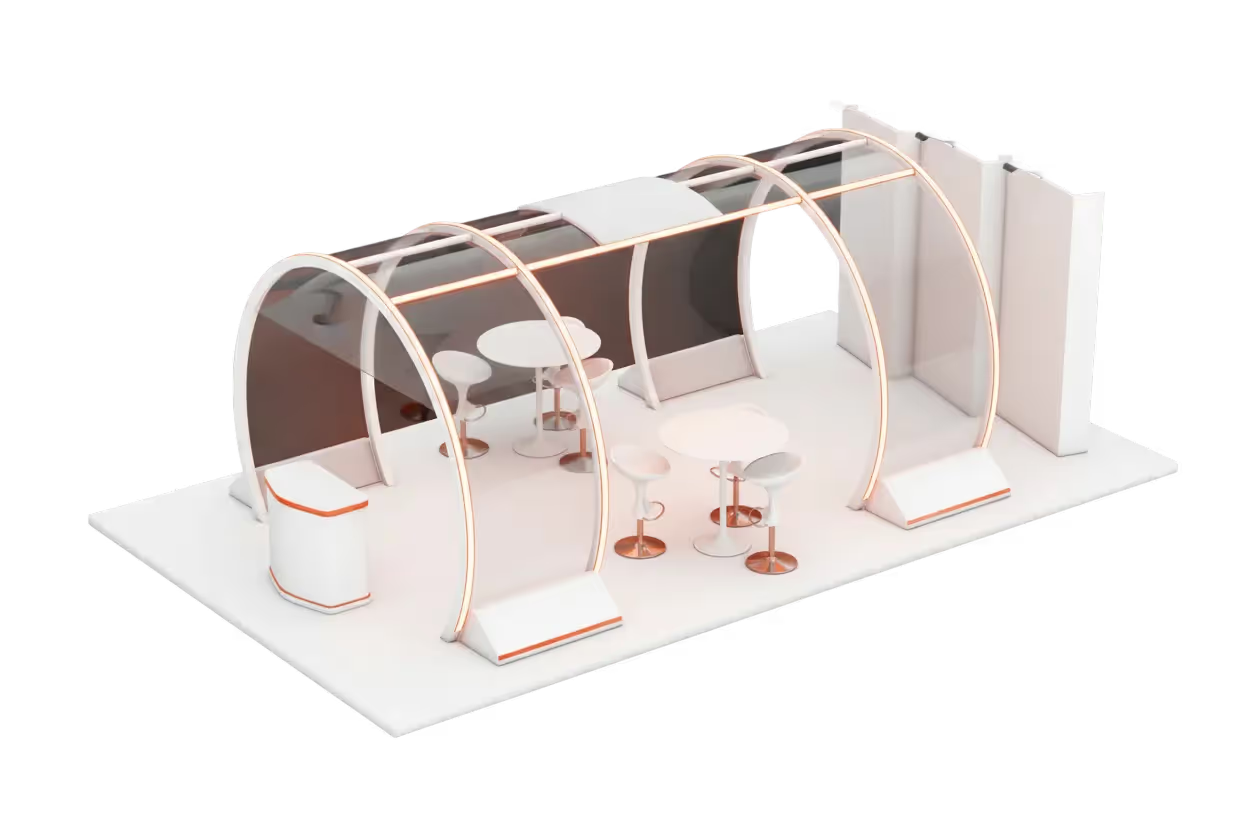
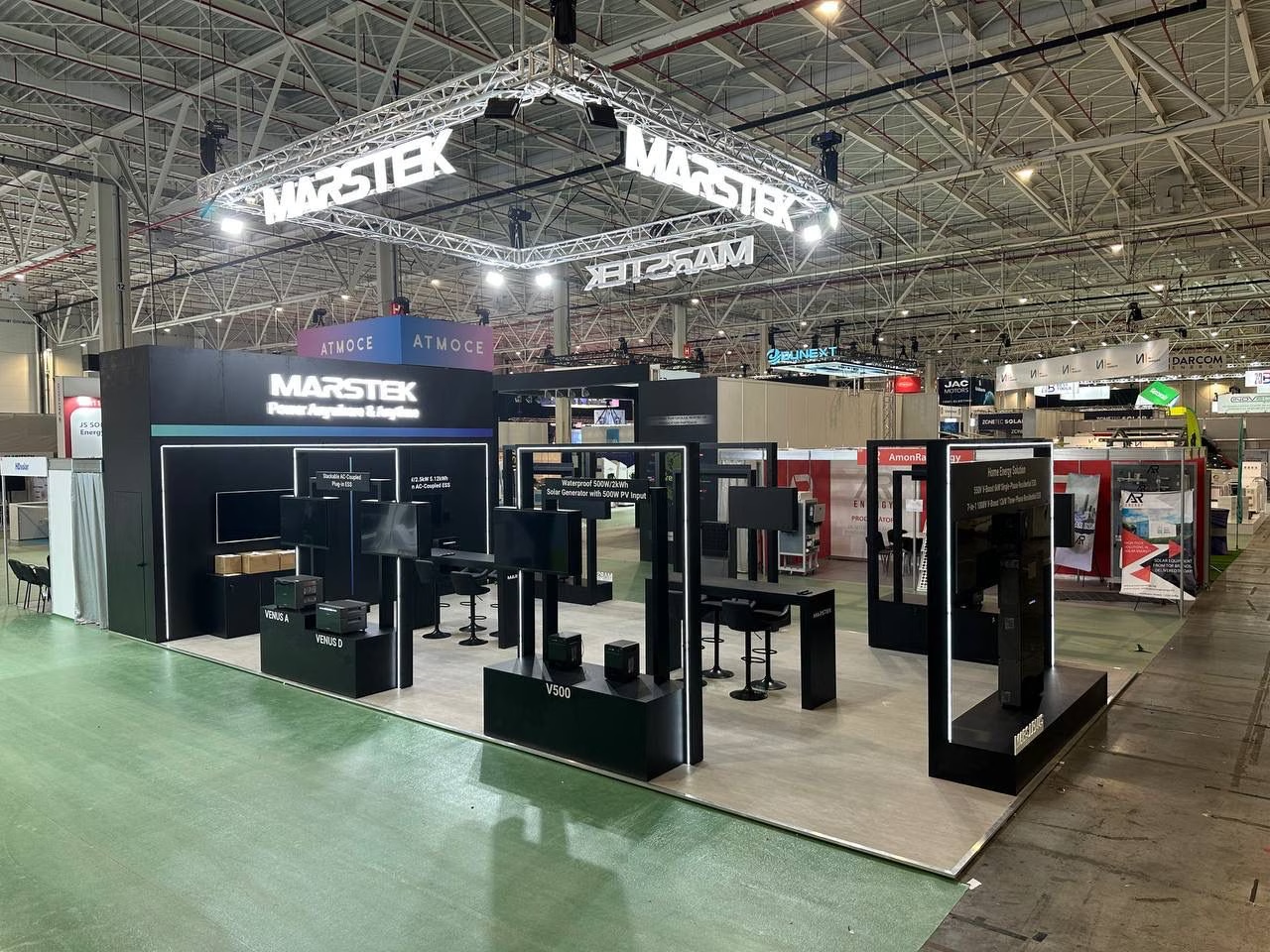
Custom exhibition stands are built from scratch around your brand identity, product display strategy, and buyer engagement approach. Fabrication takes 12 to 16 weeks from design approval. This approach works for companies launching new collections, entering new markets, or requiring specific technical configurations (product lighting, storage walls, seating arrangements). Custom stands give you full control over layout, materials, finishes, and how your furniture is presented to designers and buyers.
Modular Exhibition Stands
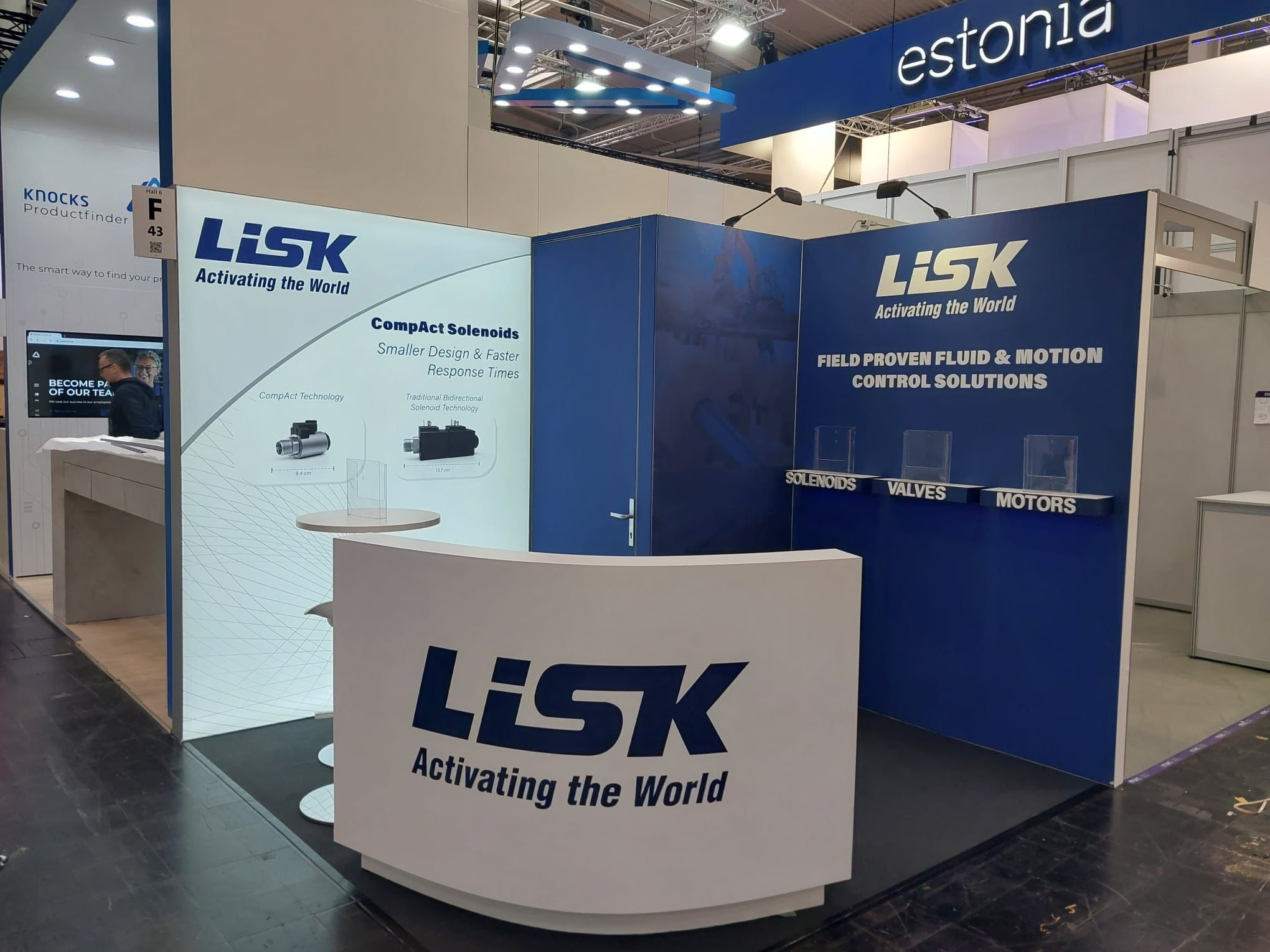
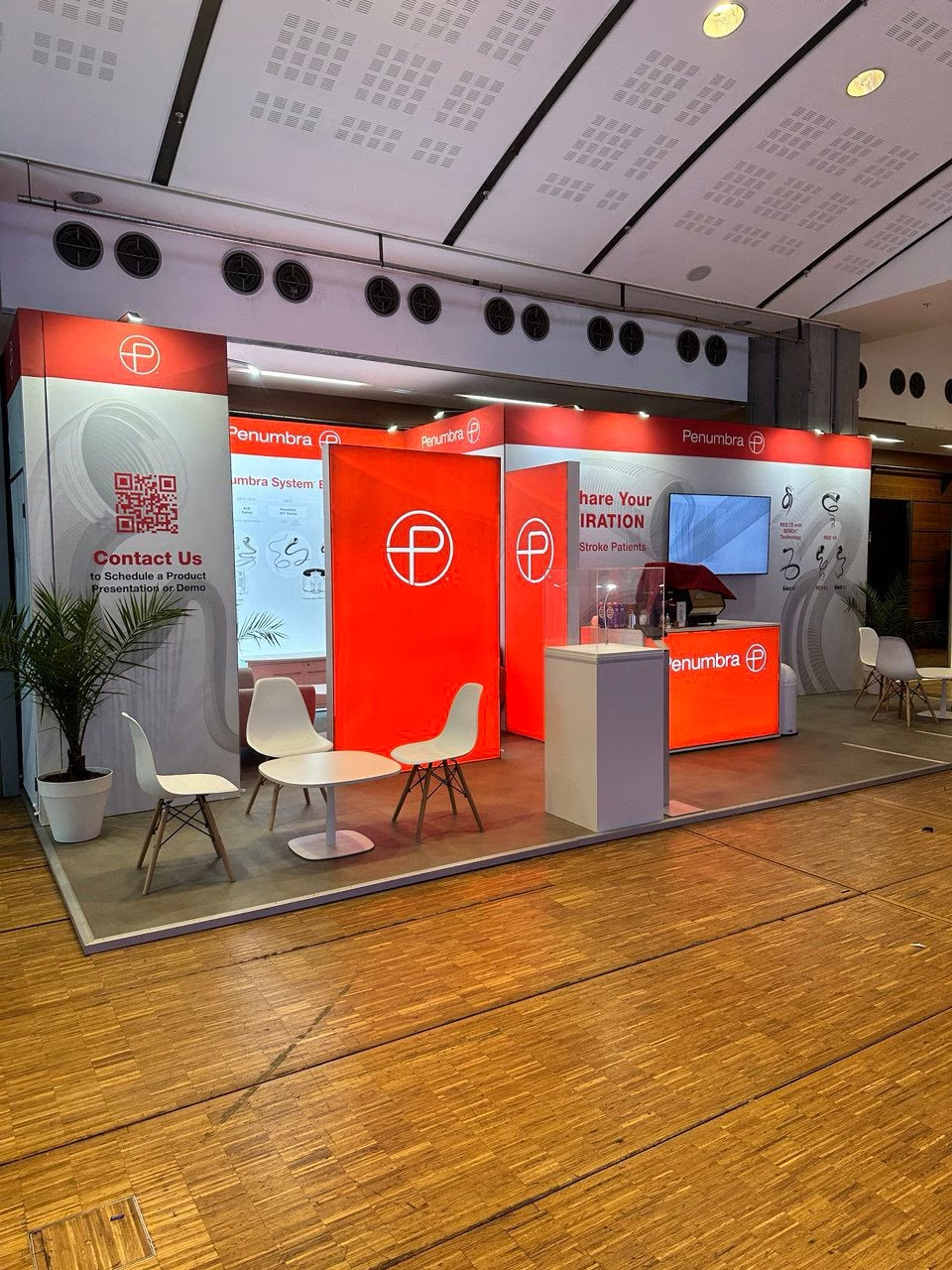
Modular exhibition stands use reusable components configured for different booth sizes and layouts. Fabrication time drops to 2 to 3 weeks. This approach works for companies exhibiting at multiple events or refreshing their stand with new messaging and displays. Modular systems offer cost efficiency and flexibility. They perform well for companies that value rapid execution and reusability across multiple shows and markets.
Double Decker Exhibition Stands
Double decker exhibition stands maximize vertical space and visibility in crowded exhibition halls. Upper levels showcase premium collections or tell your brand story. Lower levels display furniture pieces and create interactive seating areas for buyer consultation. These stands work for established brands needing prominent visibility or for companies wanting to feature multiple product lines within a defined footprint. Premium cost reflects increased engineering, materials, and installation complexity.
Country Pavilion Stands
Country pavilion stands are designed for regional or national furniture industry showcases at major trade shows. These structures accommodate multiple exhibitors or represent a country's furniture sector as a collective presence. Pavilion stands require coordination between venue management, government agencies, and individual exhibitors. They offer visibility, shared cost efficiency, and positioned credibility. Pavilion structures must meet strict technical and design standards while accommodating diverse exhibitor needs within a unified framework.
What Your Furniture Booth Needs to Succeed
Furniture booth strategy begins with how buyers will engage with your collection and brand.
Booth Layout and Display Strategy
Furniture manufacturers need space to display product samples in realistic settings. Architects want to see how pieces work together. Interior designers assess whether your aesthetic aligns with their client base. Retail buyers evaluate how your brand would perform in their stores. Layout must support each buyer type's evaluation process. Cramped booths where visitors can't move comfortably fail. Layouts that hide product lines or make it hard to see finishes waste high-value visitor time.
Booth Size and Product Volume
Koelnmesse offers inline (10 to 50 square meters), corner (15 to 75 square meters), peninsula (25 to 150 square meters), and island (50 to 300 square meters) configurations. Inline booths suit first-time exhibitors or companies with focused product lines. Corner and peninsula booths provide better visibility and accommodate fuller collections. Island booths allow comprehensive display and multiple meeting areas for larger product ranges.
Display and Lighting
Furniture is evaluated in context. Poor lighting hides material quality and finish details. Ambient lighting should showcase pieces authentically without distorting color or texture. Product lighting should highlight craftsmanship and design details. Background lighting should support your brand presentation. Incorrect lighting costs you buyer credibility faster than any other factor. Plan lighting carefully during booth design.
AV and Connectivity
Some furniture booths benefit from video showing manufacturing processes, design philosophy, or how pieces work in real environments. Digital displays can show customization options or color ranges you can't physically display. WiFi connectivity lets visitors access your catalog and specifications. Evaluate whether AV strengthens your presentation or distracts from your product. Technology should enhance, not compete with, your furniture collection.
Power and Electrical Specifications
Standard exhibition booths require 5 to 10 kilowatts. Furniture booths with extensive display lighting may require 15 to 20 kilowatts. Confirm electrical loads 60 days before the show. Overloading circuits costs downtime during critical show hours. Plan power distribution early so every display area gets proper lighting.
What's Trending at IMM Cologne 2027
Three design and business trends shape buyer conversations at furniture trade shows.
Sustainable Materials and Production Methods
Environmental responsibility drives designer and retailer decisions. Buyers want evidence of sustainable sourcing, ethical production, and circular design. If your company uses recycled materials, low-impact production, or takes-back programs, lead with specific examples rather than general sustainability claims. Certifications (FSC, OEKO-TEX, Cradle to Cradle) carry weight. Detailed stories about sourcing and production resonate more than vague environmental positioning.
Modular and Flexible Furniture Solutions
Residential and commercial spaces demand flexibility. Modular seating, configurable storage, and adaptable workspace solutions generate significant buyer interest. If your collection offers modular options or flexible configurations, emphasize how pieces work together and adapt to different space requirements. Buyers want evidence that modularity doesn't sacrifice design quality or material integrity.
Craftsmanship and Design Innovation
Mass production is commoditized. Artisanal craftsmanship, innovative materials, and distinctive design differentiate brands. Buyers evaluate whether your pieces demonstrate design thinking and production skill. Authentic craft stories, unique material combinations, and design collaboration narratives attract design professionals and discerning retailers. Superficial design trends don't resonate. Substantive innovation does.
Convert Your IMM Cologne Booth Traffic Into Qualified Leads
10x10 Booths has designed stands for furniture manufacturers, interior design studios, and home furnishings companies at IMM Cologne and other major European trade shows. We understand furniture exhibitor requirements, designer and architect buyer behavior, and exhibition logistics across international markets.
We approach every booth as a strategic investment in your market presence and brand positioning. We ask questions about your collection, your buyer targets, and your business objectives before designing anything. We solve problems before they escalate into show day crises. We deliver on time because we plan for unexpected delays. We build booths that work because we measure success by buyer engagement and business outcomes, not visual impact alone.
Design professionals and procurement buyers are selective. They're evaluating multiple options across the show floor. Your booth gets seconds to earn their attention. Everything after that depends on booth strategy, product presentation, and execution. We help you make those seconds count.