




Event Details: Where and When ICE Barcelona Happens
Fira Barcelona Gran Via, located on the outskirts of central Barcelona, serves as the primary venue for ICE Barcelona 2027. The venue operates across multiple halls configured for different exhibitor types, with dedicated infrastructure for gaming booths.
- Address: Avinguda Joan Carles I, Barcelona, Spain | Phone: +34 932 336 600
- Move in: January 17, 2027. Booth installation and setup on this day. Final electrical and AV checks completed before January 18 opening.
- Show dates: January 18 to 20, 2027. Doors open 10:00 AM, close 6:00 PM each day.
- Exhibition space: Multiple halls, approximately 55,000 square meters. Inline, corner, peninsula, and island booths available. Gaming exhibitors concentrate in designated halls.
- Utilities available: Dedicated electrical power (single phase and three phase), AV infrastructure, internet connectivity (on-site WiFi). Limited refrigeration (rarely needed for gaming booths). Power loads must be confirmed 60 days before the show.
- Accessibility: Direct metro access via L9 (Barcelona Metro). Parking available on site. Taxi stands and shuttle services operate during show hours.
- Customs and shipping: Barcelona operates as a major European port. International freight arrives via air cargo, maritime containers, or road freight. Plan shipments for early January to allow for customs processing and local delivery by January 17.
Plan your booth around Fira Barcelona's electrical and AV specifications. Confirm power loads, AV requirements, and any special infrastructure needs 60 days before January 18 to avoid last-minute delays and ensure availability.
Choose Your ICE Barcelona 2027 Exhibition Stand
Gaming exhibitors choose from four primary stand types based on booth size, budget, and visibility goals.
Custom Gaming Booth Builds
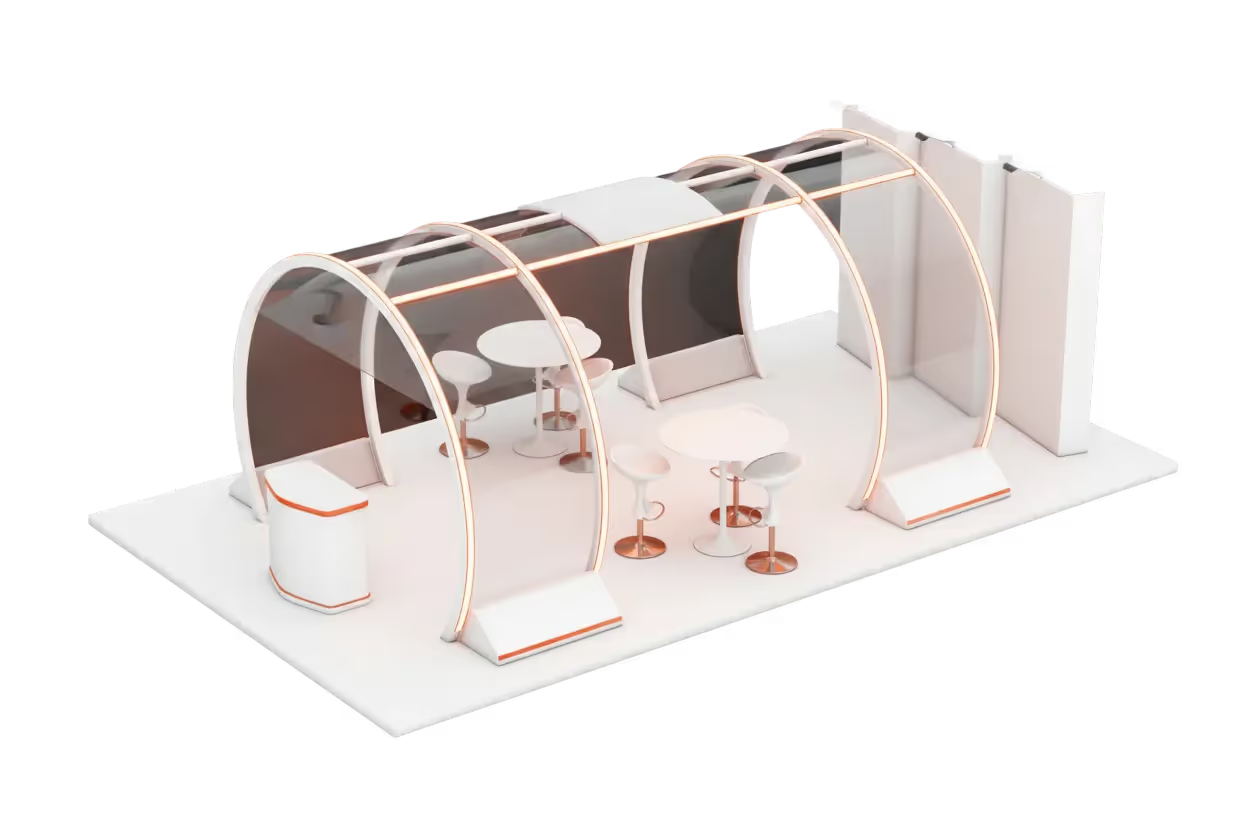
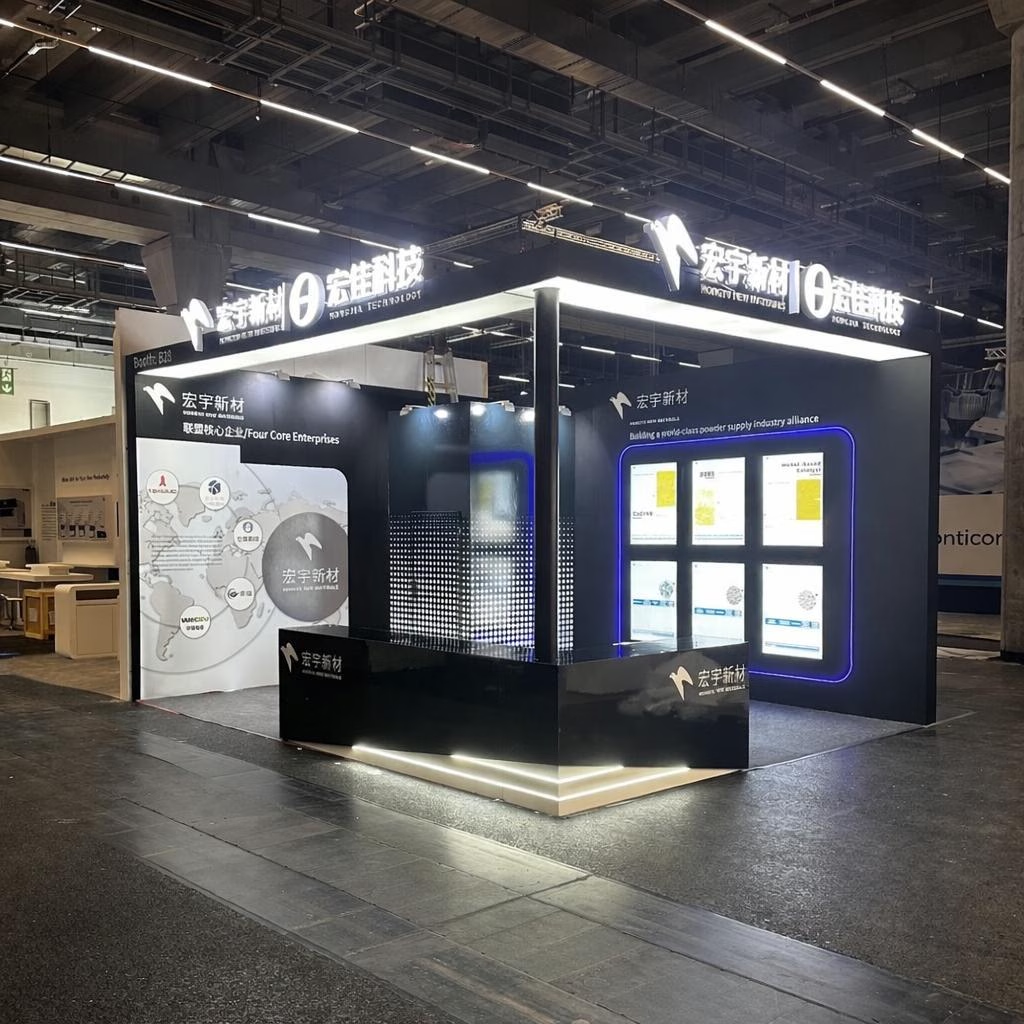
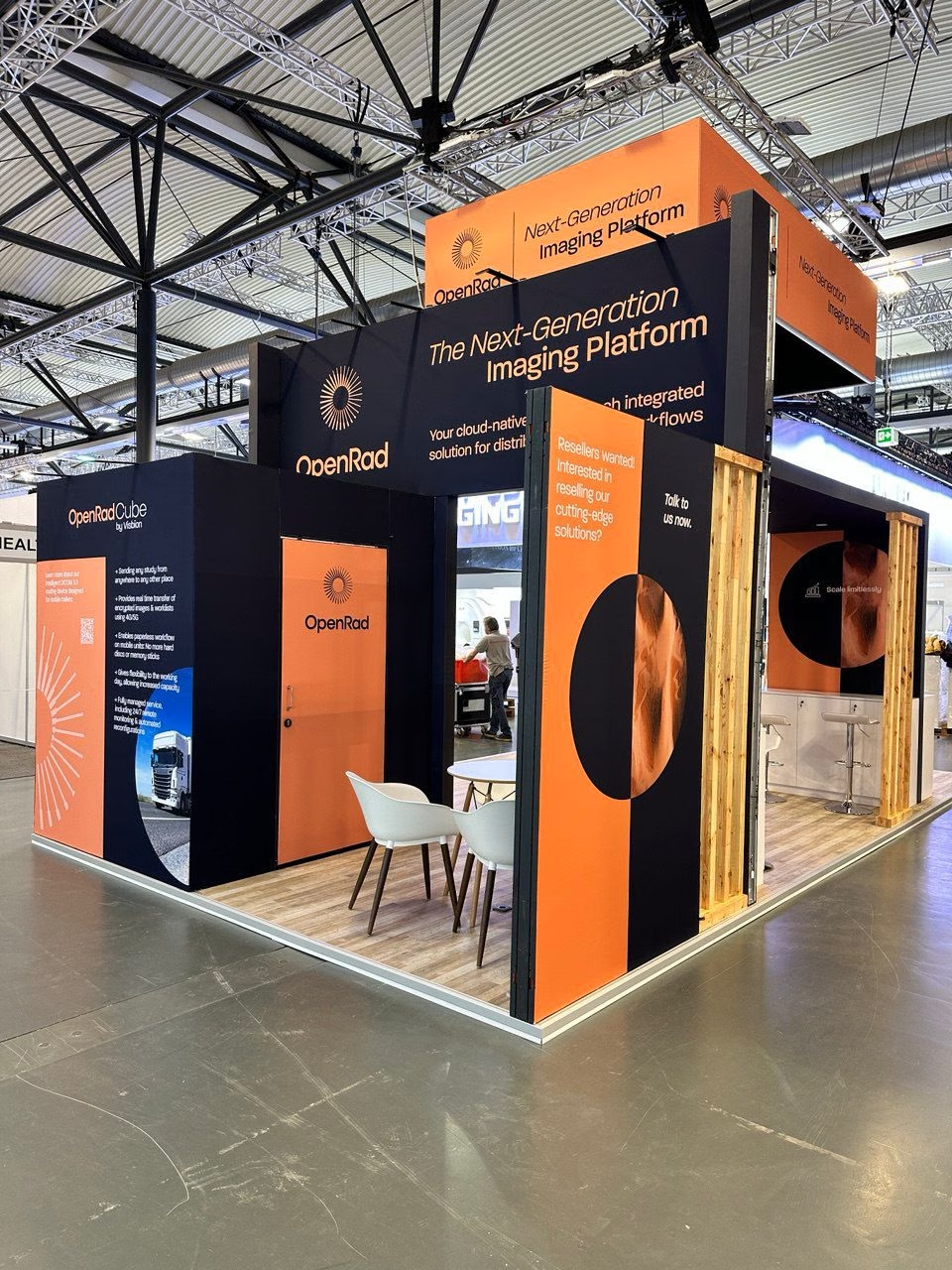
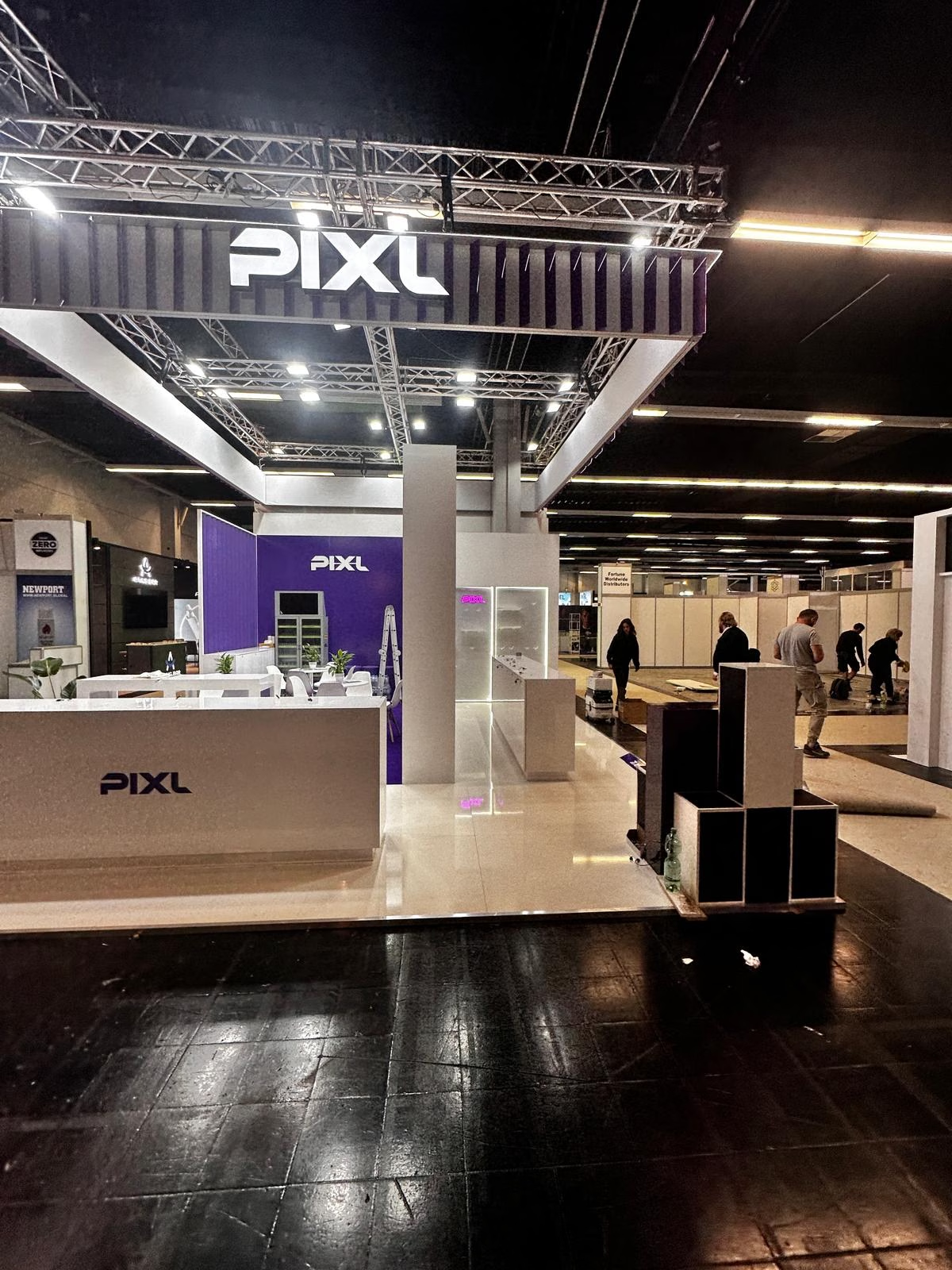
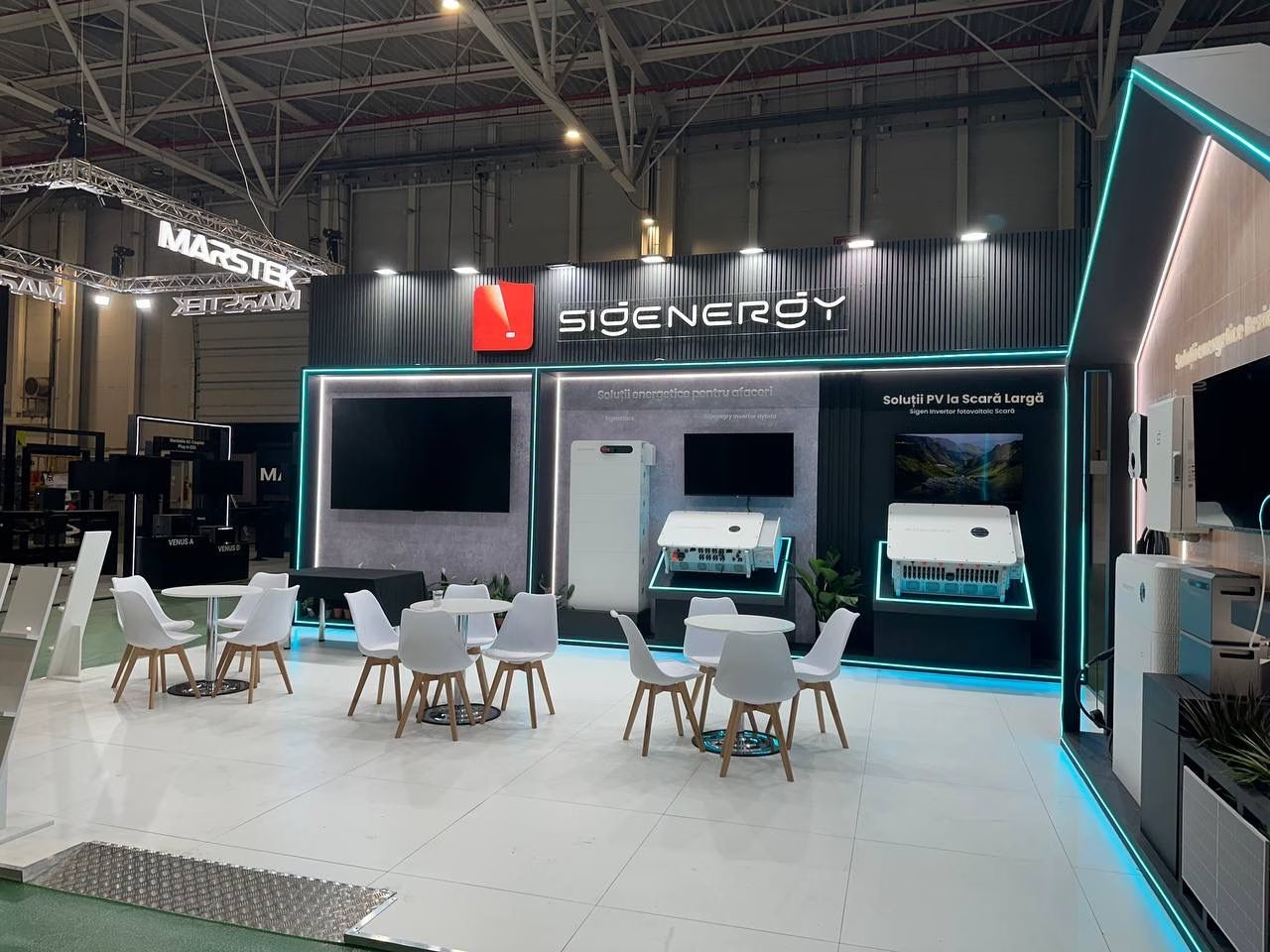
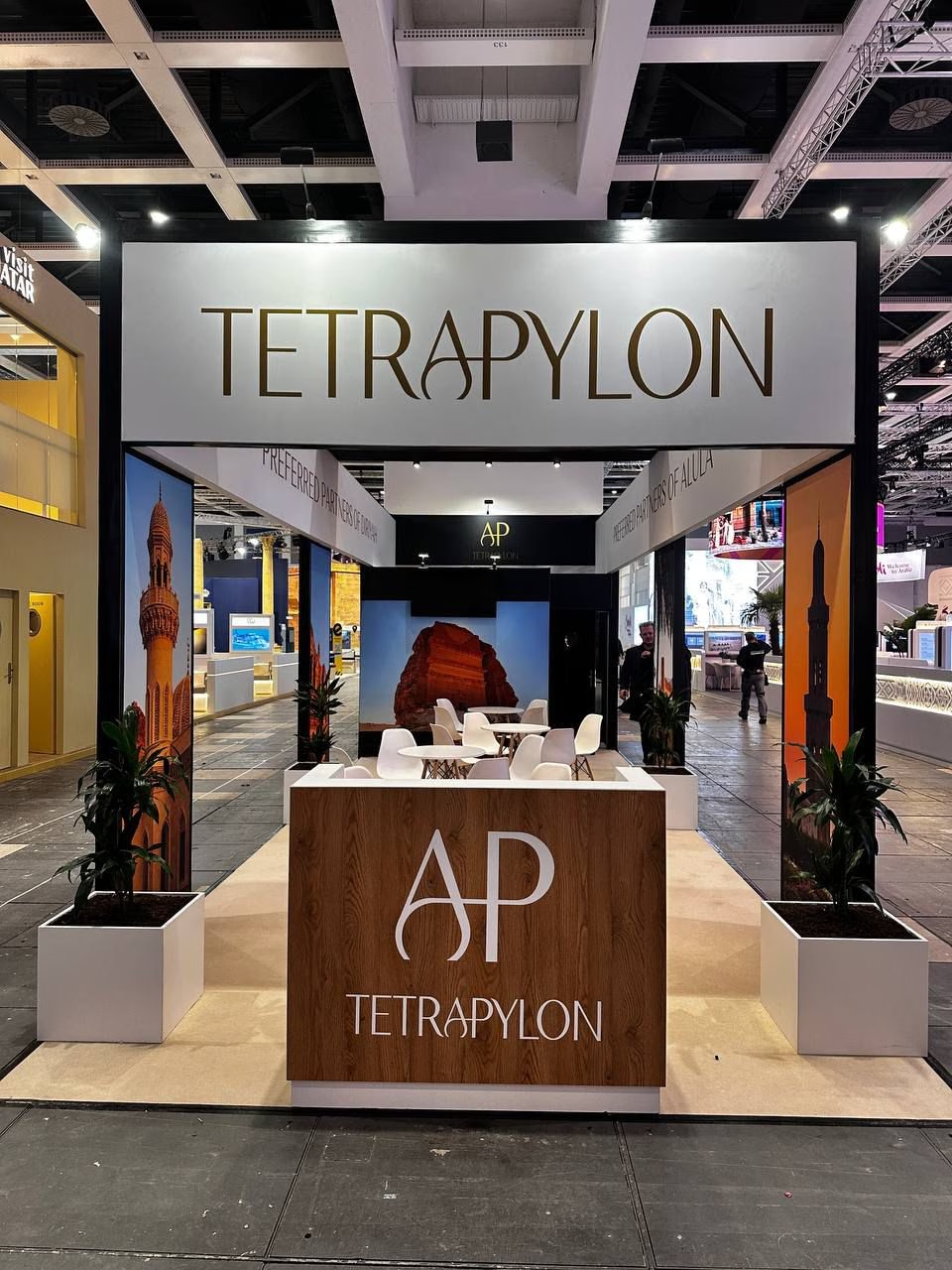
Custom booths are built from scratch around your brand identity, product demonstration requirements, and buyer engagement strategy. Fabrication takes 12 to 16 weeks from design approval. This approach works for companies launching new platforms, entering new markets, or requiring specific technical configurations (demo stations, meeting pods, AV integration). Custom stands give you full control over layout, materials, and technology integration.
Modular and Rapid Deploy Stands
Modular stands use reusable components configured for different booth sizes and layouts. Fabrication time drops to 2 to 3 weeks. This approach works for companies exhibiting at multiple events or returning to the same show with different messaging. Modular systems are cost efficient and flexible. They perform well for companies that value speed and reusability over custom branding impact.
Double Storey Gaming Booths
Double storey stands maximize vertical space and visibility in crowded exhibition halls. Upper levels accommodate meeting areas, AV displays, or premium product showcases. Lower levels support demo stations and registration. These stands work for major exhibitors who need prominence or for companies wanting multiple functional zones within a defined footprint. Premium cost reflects increased material, engineering, and installation complexity.
Interactive Gaming Technology Integration
Gaming booths often incorporate interactive elements. LED screens, game demo stations, VR experiences, and live product feeds draw traffic and demonstrate functionality. These elements require dedicated electrical infrastructure, AV coordination, and content management during the show. Plan interactive tech during the design phase so booth layout supports equipment, cabling, and attendee interaction safely.
ICE Barcelona 2027 Exhibition Stand Requirements
Before your stand goes into design, a few venue and organizer requirements shape what's actually possible. Confirm the specifics for your booth with Fira Barcelona Gran Via and the ICE organizer directly, since exact figures can shift between editions, but here's what to plan for.
Space-Only vs Shell Scheme
Space-only gives you an empty footprint and full design freedom, this is the route for custom and double-decker builds. Shell scheme comes with a standard structure already in place (walls, basic lighting, fascia signage), which limits customization but suits companies wanting a straightforward, lower-cost presence. Confirm which allocation your booth space falls under before design starts, since it changes what a stand builder can actually build.
Stand Height Restrictions
Standard stand height limits apply per hall and booth position, with different allowances for inline, corner, peninsula, and island spaces. Island booths typically permit greater height for design impact. Confirm your hall's specific limit with the organizer before finalizing any structural design, particularly if your concept includes an elevated brand element or signage tower.
Double-Decker Requirements
A double-decker structure needs separate engineering sign-off beyond standard stand approval. This includes structural calculations, load-bearing certification, and a stamped engineering drawing submitted to the venue ahead of the standard deadline. Start this process early, since double-decker approvals typically take longer to process than single-level stand approvals.
Electrical Requirements
Specify your total kilowatt load, including demo stations, LED displays, and any hardware running continuously through the show. Confirm whether you need single-phase or three-phase power. Submit your electrical requirements to the venue ahead of the confirmation deadline, since power distribution gets allocated based on registered load, not requested on the day.
AV Requirements
List every AV element separately: screens, sound systems, streaming equipment, WiFi-dependent demos. If your booth relies on stable high-speed connectivity for a live demo, flag that as a distinct requirement rather than assuming standard venue WiFi will cover it.
Rigging
Any hanging structure, overhead signage, truss, or suspended element requires rigging approval and a certified rigging plan. This includes weight calculations and anchor point confirmation from the venue's technical team. Rigging approvals typically have their own submission deadline, separate from general stand approval, so don't leave this until move-in week.
Hanging Signage
Hanging signage needs its own design approval, with size, height, and positioning confirmed against the hall's rigging points and sightline rules. Confirm whether your booth position permits hanging signage at all, some inline and corner spaces don't.
Flooring
Confirm whether your booth space includes venue-standard flooring or requires you to supply your own. Raised flooring, custom finishes, and flooring that conceals cabling all need to be specified in your technical drawings so the installation team accounts for them.
Internet
Venue WiFi covers light browsing and email. If your booth runs live demos, streaming, or backend-dependent software, request a dedicated wired connection or confirm bandwidth requirements with the venue separately. Don't assume show WiFi will hold up during peak show-floor hours.
Fire and Safety Requirements
All materials used in construction need to meet the venue's fire safety rating. This applies to structural materials, fabric, and any decorative elements. Submit material certifications with your technical drawings. Aisles, fire exits, and clearance zones around your booth must stay unobstructed, this affects how far furniture and display elements can extend from your booth boundary.
Accessibility
Booth design should account for accessible visitor movement, clear pathways, and appropriate signage height. This matters for both compliance and practical visitor flow, a booth that's hard to navigate loses conversations regardless of design quality.
Technical Drawings
Submit detailed technical drawings covering structure, electrical layout, AV placement, and any rigging or double-decker elements ahead of the venue's submission deadline. Incomplete drawings are one of the most common causes of late-stage approval delays, so build drawing review into your fabrication timeline rather than treating it as a formality.
Contractor Approvals
If you're using an external contractor (rather than the venue's official stand builder), confirm they're approved to work at Fira Barcelona Gran Via. Unapproved contractors can be denied access during move-in, which is not a risk worth taking this close to show day.
Venue Deadlines
Electrical, AV, rigging, and technical drawing submissions each carry separate deadlines, typically 60 days out for electrical and AV, earlier for anything requiring structural engineering sign-off. Track these as distinct milestones in your planning timeline rather than one combined "paperwork" task, since missing one can hold up your entire move-in.
ICE Barcelona 2027 Gaming Booth Design Ideas
For iGaming Platforms
Your booth needs to let operators actually see the product working. Dedicated demo stations give buyers hands-on time with gameplay rather than a screen recording. Large LED displays showing live gameplay or platform interfaces draw attention from the aisle before a conversation even starts. Private meeting rooms matter here more than most categories, integration timelines and revenue share terms aren't conversations operators want to have in the open. Product walkthrough zones, a step beyond a demo station, give your team room to guide a buyer through the full platform rather than a single feature.
For Payment Providers
Interactive dashboards showing real transaction flows, settlement speed, or fraud detection in action communicate more in thirty seconds than a spec sheet does in five minutes. Private consultation areas are close to essential, operators discussing fraud rates, chargebacks, or compliance gaps won't do it standing in an open aisle. Security and compliance messaging should be visible without needing a conversation to surface it, licensing badges, certification callouts, and clear regulatory positioning let a buyer self-qualify before they approach your team.
For Gaming Hardware
Product demonstration zones need real floor space, buyers want to see the equipment operating, not just displayed. Technical displays, spec sheets, certification documentation, maintenance requirements, help a buyer move past "what is this" into "does this fit our operation." Interactive equipment, letting a visitor actually handle or trigger the hardware rather than watch it from behind a rope, builds the kind of confidence a static display can't.
For Emerging Technology
Immersive displays (AR, VR, or large-format visual experiences) earn attention in a crowded hall where most booths look similar. AI demonstrations work best when they show a specific, concrete use case rather than a generic capability, a buyer remembers "predicted churn 30 days out" longer than "powered by AI." Interactive screens that let a visitor explore the technology at their own pace give your team a natural opening to start a deeper conversation once something on screen catches their interest.
What Your Gaming Booth Needs to Succeed
Gaming booth strategy begins with how buyers will engage with your offering.
Booth Layout and Buyer Flow
iGaming software companies need space for product demos and confidential conversations. Operators need areas to ask technical questions without being overheard by competitors. Payment providers need demo stations and meeting tables. Hardware manufacturers need floor space for equipment displays and demonstration. The layout must support the buyer behavior specific to your category. A crowded booth where conversations can't happen privately fails to convert traffic into meetings.
Booth Size Options
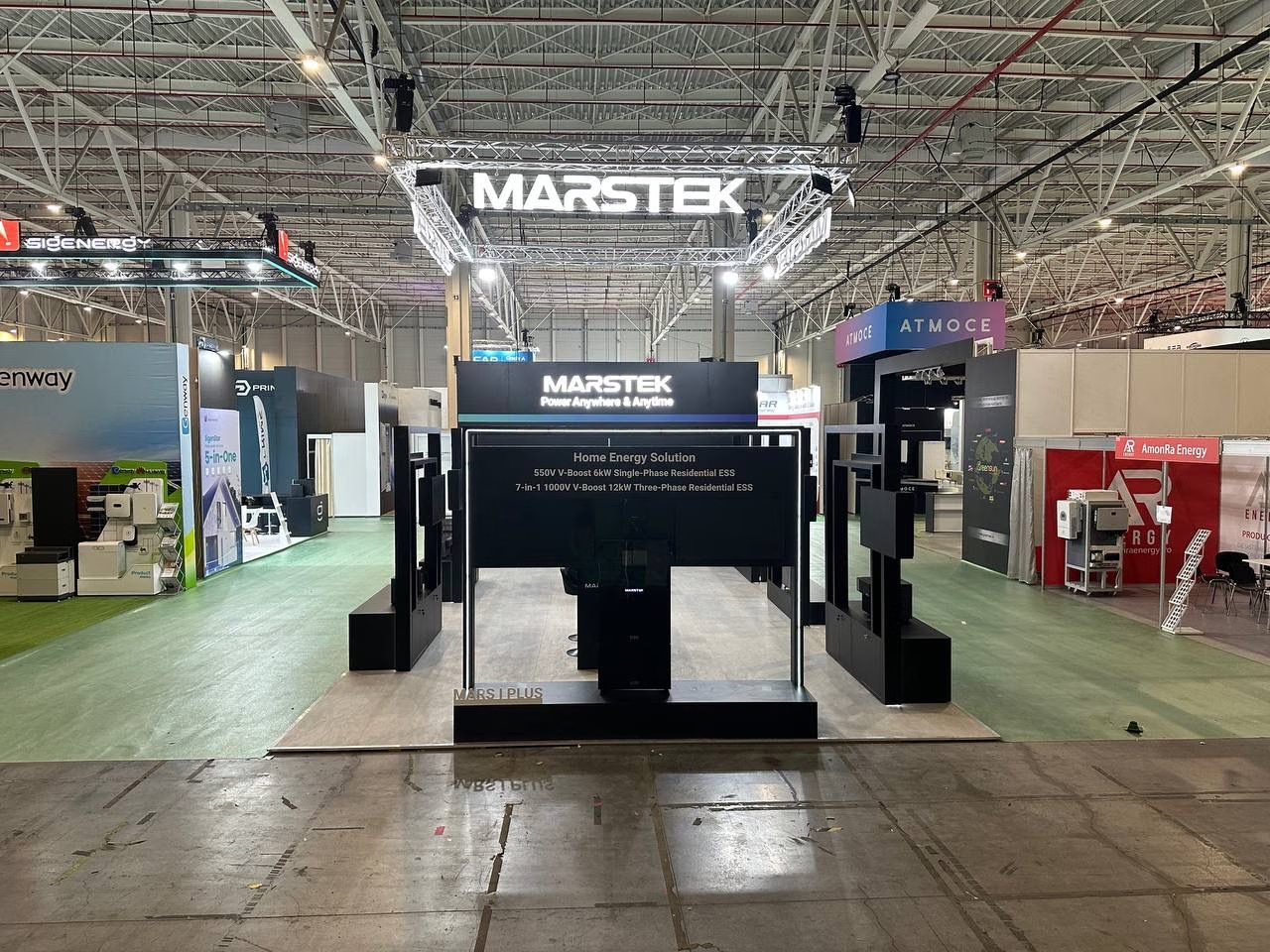
Fira Barcelona offers inline (linear, 10 to 50 square meters), corner (two exposure sides, 15 to 75 square meters), peninsula (three exposure sides, 25 to 150 square meters), and island (full four sides, 50 to 300 square meters) configurations. Inline booths suit companies exhibiting for the first time or with limited budgets. Corner and peninsula booths provide better visibility and traffic flow. Island booths maximize presence and buyer access.
AV and Connectivity Requirements
Gaming booths often rely on screens, live product streams, and connectivity. Plan for multiple power outlets, data lines, and WiFi stability. International events sometimes have unreliable backup internet. Bring redundancy. Test all AV before move in. Problems discovered on show day cost time and create frustration with buyers.
Power and Electrical Specifications
Standard exhibition booths require 5 to 10 kilowatts. Gaming booths with multiple displays and demo systems may require 15 to 20 kilowatts. Confirm electrical loads 60 days before the show. Overloading circuits costs downtime. Undersizing power forces you to prioritize which equipment runs during peak hours. Fira Barcelona assigns power distribution based on early reservation.
Internet and Connectivity Infrastructure
On site WiFi serves light browsing. Gaming demonstrations and live product streaming demand dedicated connectivity. Evaluate whether show WiFi meets your bandwidth needs. Plan for backup tethering or local mobile hotspot if your demo relies on high speed upload or download. Interruptions during buyer meetings damage credibility.
Benefits of Exhibiting at ICE Barcelona 2027
ICE Barcelona brings together decision-makers who control gaming investments and procurement. This is not a casual crowd.
- Meet gaming operators and iGaming developers from across Europe, Asia, and Africa. Attendees represent companies evaluating new software platforms, payment systems, compliance technology, and hardware solutions. They attend with defined budgets and timelines. The show consolidates buyer access you would spend months building through individual outreach.
- Demonstrate your platform, service, or product directly to the people who make buying decisions. iGaming developers test games. Operators discuss integration requirements. Payment providers show settlement flows. Hardware manufacturers explain technical specifications. These conversations happen because the buyers came to the show expecting them.
- Differentiate your offering in real time. Your competitors will be present. Buyers see how your solution compares side-by-side. That visibility accelerates decisions. It also signals market presence. Gaming operators notice which companies exhibit consistently and which ones don't.
- Booth execution determines your return. Foot traffic alone generates nothing. Your stand needs to support demos, conversations, and follow-up planning. Open layout without meeting areas fails. Cluttered layout without clear sightlines fails. A booth designed for buyer behavior converts traffic into qualified meetings.
What's Hot at ICE Barcelona 2027
Three industry trends drive buyer conversations at gaming trade shows. Understanding what attracts attention shapes your booth strategy.
Responsible Gaming and Operator Compliance
Regulatory pressure across European markets continues accelerating. Operators prioritize partners offering compliance automation, player protection tools, and audit-ready documentation. Your booth should highlight how your solution addresses specific regulatory requirements for each market. Compliance innovation outperforms entertainment value in buyer conversations right now.
AI and Player Analytics
Artificial intelligence in player behavior prediction, churn prevention, and marketing optimization generates significant interest. Operators want concrete examples of how AI improves player lifetime value and retention. If your platform includes AI components, lead with specific use cases rather than generic innovation claims. Detailed case studies resonate more than feature lists.
Sports Betting and Virtual Sports
Sports betting expansion across new markets and the growth of virtual sports continue attracting operator investment. If your platform operates in this space, position it around speed to market, regulatory flexibility, and operator profitability. Buyers want evidence of successful launches, not theoretical capabilities.
Convert Your ICE Barcelona Booth Traffic Into Qualified Meetings
10x10 Booths has built exhibition stands for gaming software companies, gaming operators, payment processors, and hardware manufacturers across major European and international gaming events. We understand gaming industry requirements, gaming buyer behavior, and gaming event logistics.
We approach every booth as a strategic investment in your market presence. We ask questions before designing. We solve problems before they escalate. We deliver on time because we plan for the unexpected. We build booths that work because we measure success by buyer engagement and follow-up conversion, not just visual impact.
Gaming industry professionals are busy. They're evaluating multiple options across the show floor. Your booth gets a few seconds to earn their attention. Everything after that depends on booth strategy and execution. We help you make those seconds count.